How Flour Type Changes Sourdough Starter Consistency
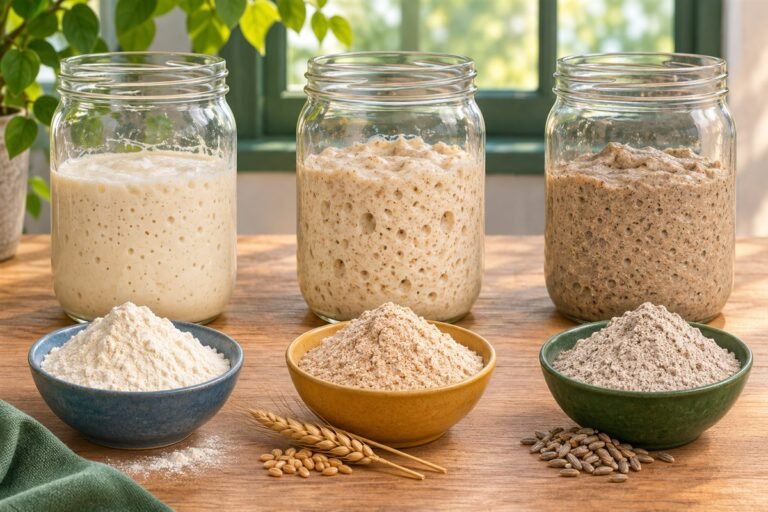
Learn why white, whole-wheat, and rye flours can make equal-hydration sourdough starters look and behave different.
Learn why white, whole-wheat, and rye flours can make equal-hydration sourdough starters look and behave different.
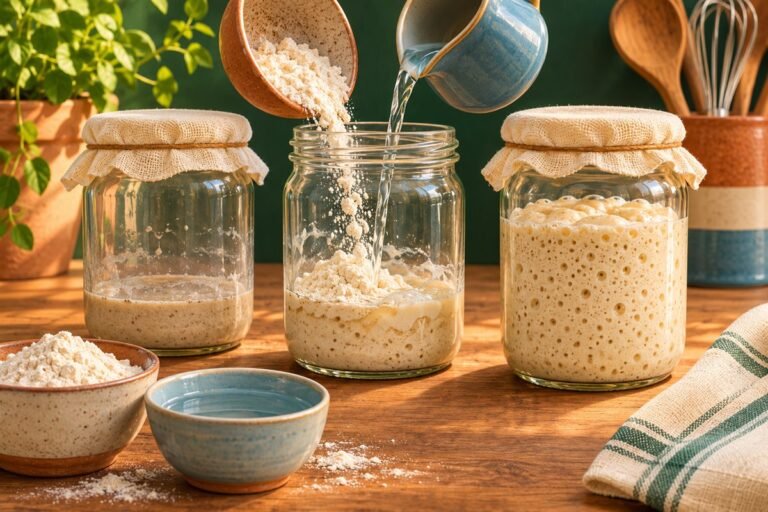
Learn how to assess and revive a sluggish sourdough starter with measured feedings, warm stable conditions, clean records, and clear discard signs.

Understand why bread loses weight in the oven and during cooling, what changes the loss, and how to compare loaves without confusing moisture loss with waste.

Learn where, when, and how to measure bread dough temperature so fermentation records and water-temperature decisions become more consistent.
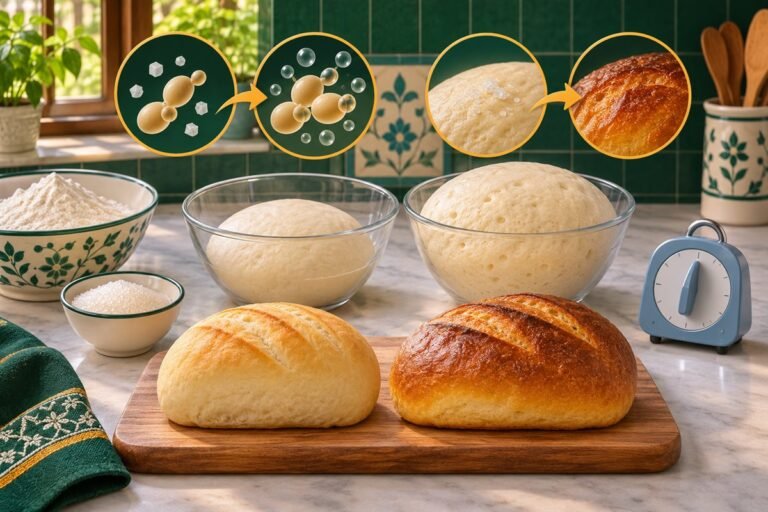
Learn how sugar changes bread dough fermentation, browning, tenderness, moisture, and handling, plus how to run a controlled baking trial.
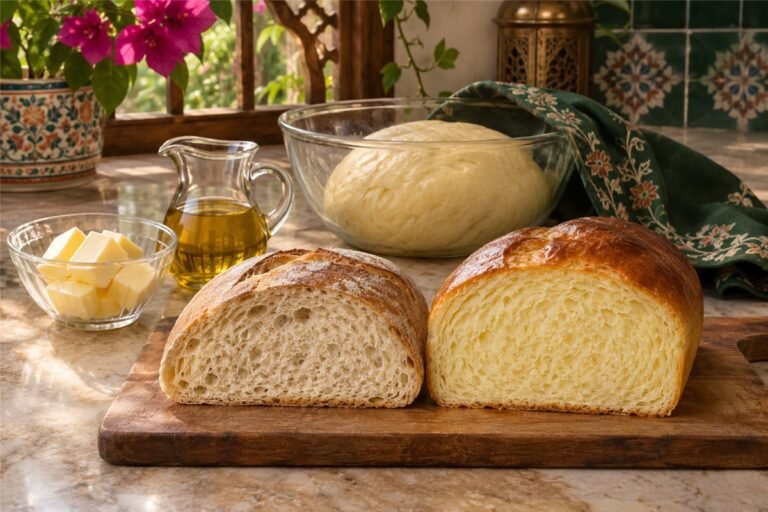
Learn how butter, oil, and shortening affect bread dough tenderness, handling, crumb, crust, and keeping quality.
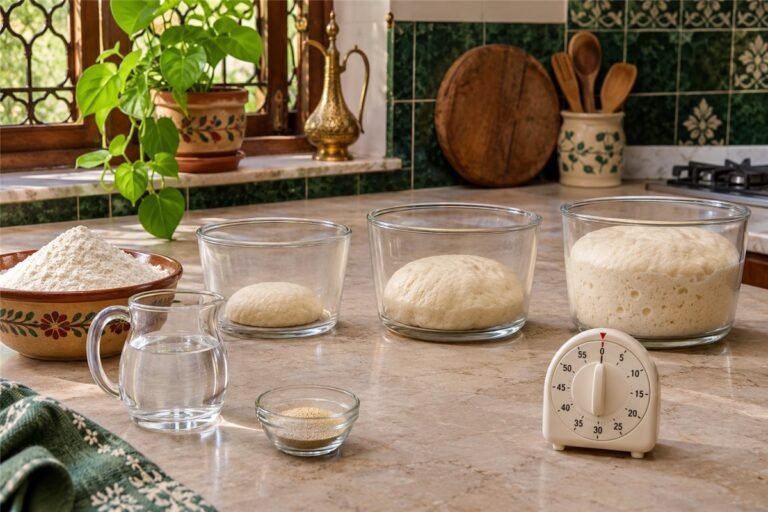
Learn how yeast quantity interacts with temperature, time, salt, sugar, and dough size when planning bread fermentation.

Learn what salt does in bread dough, when to add it, how to distribute it evenly, and how to avoid formula and mixing mistakes.

Learn how to mix, ripen, inspect, and briefly hold a firm biga before adding it to bread dough without losing formula accuracy.

Learn how to judge when poolish is ready by checking its rise, bubbles, surface, aroma, temperature, and actual ripening time.